

An inflatable cold plunge tub is the cheapest, most portable way to start cold therapy. It sets up in 15 minutes, packs away, and costs a fraction of a hard tub. The tradeoffs: thin walls mean the water warms up fast, you're usually still hauling ice, and the material wears out faster. It's a fine starting point. Here's who it suits, where it falls short, and how to get a steady cold plunge instead.
An inflatable cold plunge tub is the lowest-commitment way into cold therapy. You can buy one for a couple hundred dollars, inflate it on a balcony or in a garage, and be plunging the same afternoon. For testing whether cold exposure is for you, that's hard to beat.
But cheap and portable comes with real limits, and most of them show up after a few weeks of daily use. Before you buy, it's worth knowing exactly what you're getting and what you're giving up.
Is an inflatable cold plunge tub worth it?
An inflatable cold plunge tub is worth it if you want a low-cost, low-commitment way to try cold therapy, or you need something you can pack up and move. It's not the best choice for daily, year-round use at a precise temperature, because the insulation and durability can't keep up.
Think of it as the trial version. A hard-shell comparison from PolarMonkeys frames it the same way: inflatables win on price, portability, and commitment, while hard setups win on temperature control and longevity. If you're not sure cold plunging will stick, starting inflatable is a reasonable bet.
The case for an inflatable cold plunge tub
The appeal is real. An inflatable tub costs far less than a chiller-equipped system, and it sets up in under 15 minutes. You can deflate it, roll it up, and store it in a closet or throw it in a car.
That makes it a good fit for specific people. Renters who can't install anything permanent. Athletes who want to bring an ice bath to a competition or a retreat. Anyone in a small apartment who doesn't want a tub sitting out all the time. If flexibility matters more than precision, the inflatable earns its keep.
Where inflatable tubs fall short
The thin walls that make an inflatable portable also make it hard to keep cold. With little insulation, the water warms up quickly, especially indoors or in hot weather, so you're topping off with ice to hold your temperature. That's the same daily ice chore people buy a cold plunge to escape.
Durability is the other catch. Inflatable tubs are light, sometimes under 10 pounds, but the walls flex and the tub can shift when you climb in and out. Over time that wear shows. And without a built-in chiller, you don't get a stable, repeatable temperature, which matters because Cleveland Clinic's recommended 50°F to 59°F range is hard to hold by hand when the water keeps climbing.
Inflatable vs hard tub: how to choose
Choose an inflatable if you plunge occasionally, mostly in cooler seasons, or need to move the tub around. Choose a hard, chiller-equipped setup if you want consistent year-round practice at a precise temperature with less daily effort.
The deciding question is frequency. If you'll plunge a few times a week long term, the ice and the warm-up of an inflatable add up to a daily annoyance, and a chiller-based system pays for itself in saved ice and saved time. If you're still testing the waters, the inflatable keeps your risk low.
A better path: keep the tub, add the cold
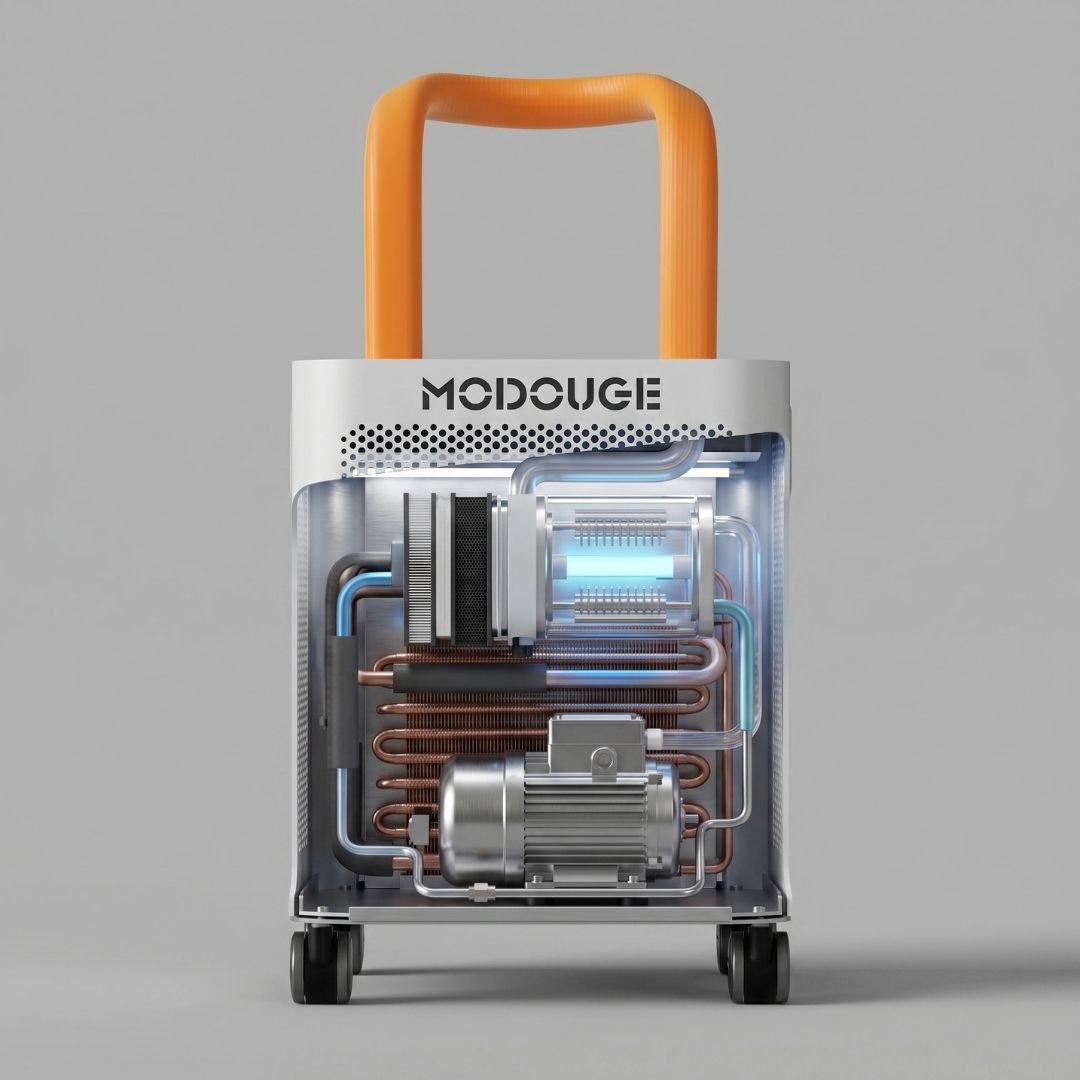
Here's the option most people miss. You don't have to choose between an inflatable and an expensive built-in tub. A portable chiller works with the inflatable tub you already own and fixes its biggest weakness, the warm-up.
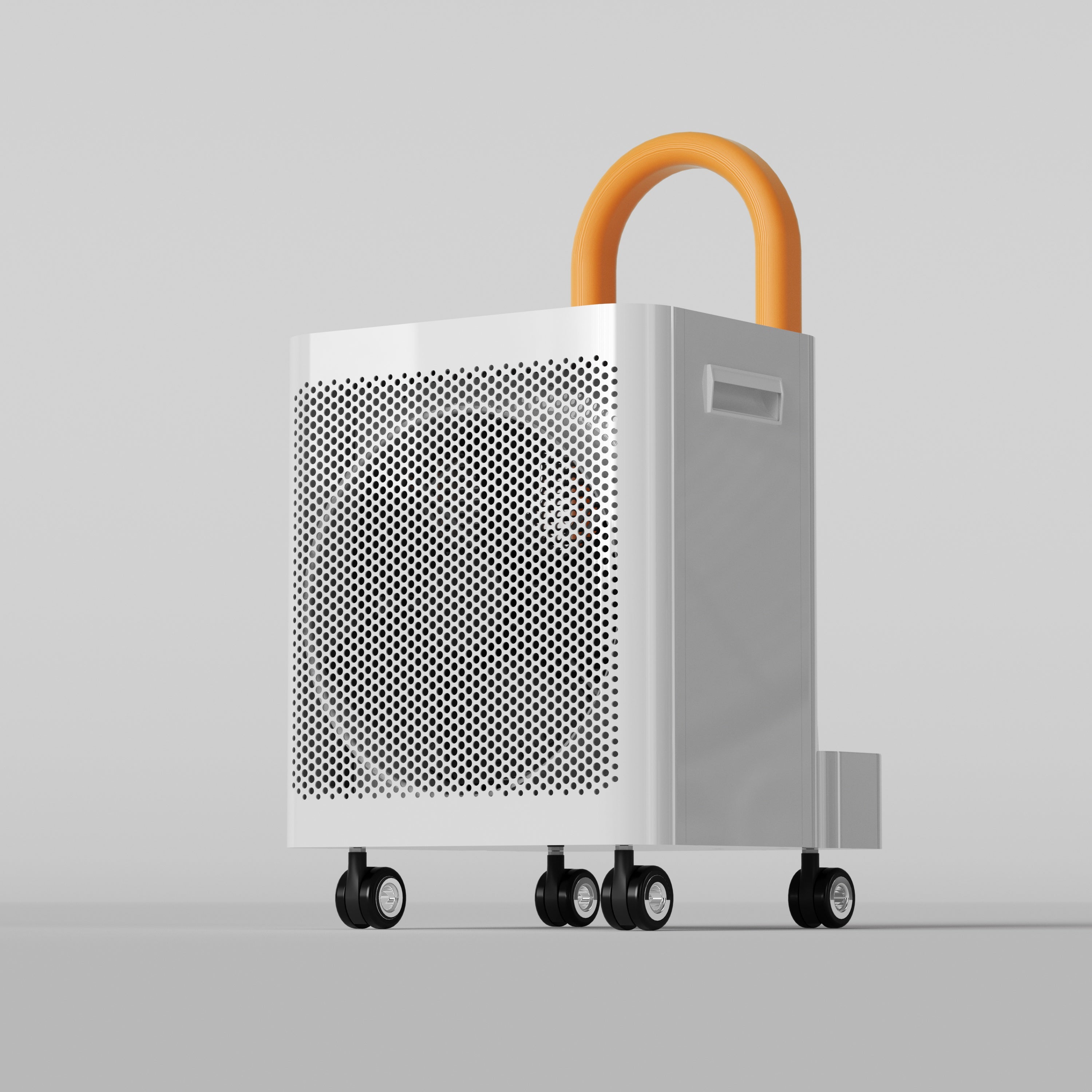
The Modouge Portable Cold Plunge Chiller connects to any tub holding 10 to 130 gallons, including inflatables, and cools the water to 37°F and holds it there with no ice. Built-in ozone filtration keeps the same water clean for weeks, and the unit rolls into a closet when you're done. You keep the portability and lose the daily ice run. If you'd rather replace the inflatable entirely, the All-In-One Cold Plunge builds the chiller, filtration, and tub into one unit.
The bottom line
An inflatable cold plunge tub is a smart, cheap way to start, and a frustrating way to plunge every day long term. The water warms fast, the ice never stops, and the material wears.
If cold therapy sticks, keep the tub and add a portable chiller to hold the cold, or step up to the Modouge cold plunge. New to this? Start with why a cold tub is good for you.
FAQ
Are inflatable cold plunge tubs any good?
For starting out, yes. They're cheap, portable, and quick to set up. The limits are temperature control and durability. Thin walls let the water warm up fast, and most inflatables rely on ice rather than a chiller.
How cold does an inflatable cold plunge tub get?
Only as cold as the ice you add, and it won't hold that temperature long. Without a chiller, the water drifts back toward room temperature, which makes hitting the 50°F to 59°F target tricky in warm conditions.
Can you use a chiller with an inflatable cold plunge tub?
Yes. A portable chiller like the Modouge unit works with any tub holding 10 to 130 gallons, inflatables included. It cools the water to 37°F and holds it, so you keep the portability without the ice.
How long do inflatable cold plunge tubs last?
It varies by build quality and use, but the flexible walls wear faster than a hard shell, especially with daily entry and exit. If you plunge often, a hard tub or a chiller-based setup lasts longer.
Inflatable or hard cold plunge for daily use?
For daily, year-round use at a steady temperature, a hard or chiller-equipped setup is the better fit. Inflatables suit occasional use, travel, and people who can't install anything permanent.
0 comments