

A cold tub is good for you because cold water sets off a chain of measurable responses. It narrows your blood vessels to cut muscle inflammation, floods your brain with dopamine and norepinephrine for hours of focus and better mood, and shifts your nervous system toward deeper sleep. The sweet spot is 50°F to 59°F for a few minutes. Here's what actually happens in your body, and what the science backs.
One dip in 14°C water raised dopamine by 250% and norepinephrine by 530%, and the effect lingered for hours. That's not a wellness slogan. That's the finding from a controlled physiology study, and it's the kind of number that moves a cold tub from trendy gadget to useful tool. So why is a cold tub good for you? Because the cold does specific, repeatable things to your body, and most of them you can feel by the time you towel off.
Here's what the research actually shows, and how to get the benefit without freezing yourself for no reason.
Why is a cold tub good for you?
A cold tub is good for you because brief cold immersion triggers four responses worth having: faster muscle recovery, a sharp lift in mood and focus, better sleep, and a trained stress response. None of that is magic. It's your body reacting to cold the way it's built to.
The trigger behind most of it is vasoconstriction, the narrowing of your blood vessels in cold water. Cleveland Clinic points to that response as the reason cold therapy eases soreness and tamps down inflammation. Get in, and the cold does the work whether you understand the mechanism or not. The rest of this article breaks the benefits down one at a time.
It speeds muscle recovery
A cold tub reduces how sore and inflamed your muscles get after hard training. When you sit in cold water, your blood vessels constrict and blood flow to the tired tissue drops, which limits swelling and the inflammation that drives next-day soreness.
The research backs this up directly. Mayo Clinic Press notes that cold water immersion lowers exercise-induced muscle damage, and less damage means less inflammation and a faster bounce-back. A 2025 network meta-analysis in Frontiers in Physiology, pooling 55 trials, found that immersion at 5°C to 15°C measurably dropped creatine kinase, a blood marker of muscle damage. If you train hard and want to train again tomorrow, that's the benefit you'll feel first.
It lifts mood and sharpens focus
Cold water gives you a clean, drug-free hit of focus and good mood that lasts for hours. The cold triggers a large release of norepinephrine and dopamine, the neurotransmitters behind alertness, attention, and that feel-good state.
The numbers are striking. A 2000 study by Šrámek and colleagues in the European Journal of Applied Physiology found that immersion in 14°C water raised dopamine by 250% and norepinephrine by 530%. The dopamine lift can stick around for two to three hours after you get out. That's why people describe a sharp, clear-headed calm after a cold tub, and why a morning plunge can set the tone for the day better than a second coffee.
It can help you sleep better
A cold tub can improve sleep by shifting your nervous system into the state your body needs to wind down. After you get out, your core temperature drops below where it started, and that cooling pushes you toward parasympathetic mode, the rest-and-recover side of your nervous system.
Kaiser Permanente notes evidence that cold water immersion can improve sleep quality and reduce restless tossing, especially for athletes. Timing matters here. A plunge earlier in the day, or at least a few hours before bed, tends to work better than one right before you lie down, since the immediate alertness spike can keep you wired if you go too late.
How cold, how long, and how often
Aim for 50°F to 59°F, stay in 2 to 5 minutes, and go 3 to 5 times a week. That's enough to get the recovery and mood benefits without pushing into territory where the risks climb and the returns flatten out.
Cleveland Clinic recommends 50°F to 59°F for beginners and 39°F to 50°F once you're adapted. More time isn't better. Past about 15 minutes you stop gaining benefit and start adding risk. Start at the warmer end and shorter duration, then work colder and longer as your tolerance builds. The version you actually repeat beats the brutal one you quit after a week.
Who should be careful
Cold immersion isn't risk-free, and a few people should check with a doctor first. The plunge raises heart rate and blood pressure, and the American Heart Association warns it can strain the heart, especially if you have heart disease, high blood pressure, or circulation problems.
There's also the cold shock response in the first 60 to 90 seconds, an involuntary gasp and a spike in breathing that you ride out with slow exhales. Never put your head under, get in gradually, and skip solo sessions until you know how your body reacts.

The easiest way to get a daily cold tub
The benefits only show up if you actually do it, and the biggest barrier is setup. Hauling ice every morning or watching the water drift warmer mid-session is how good habits die. A tub that holds its temperature on its own removes that friction entirely.
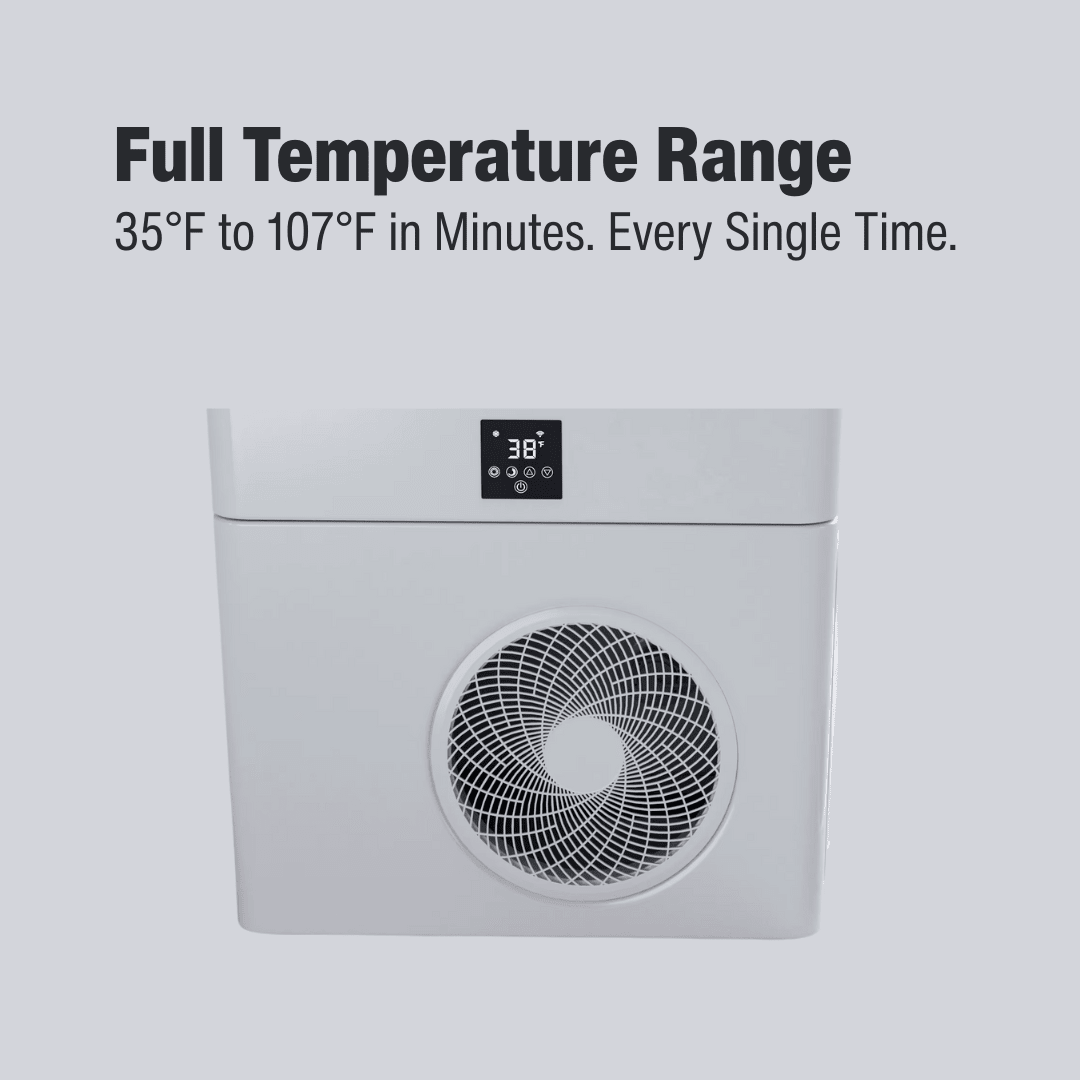
The Modouge All-In-One Cold Plunge runs a 1HP chiller that pulls water down to 37°F and holds it, with ozone filtration that keeps the same water clean for weeks. No ice, no plumbing, and app control so it's already at your set temperature before you walk out to it. You fill it once and plunge whenever you want, which is the whole point of owning one instead of improvising.
The bottom line
A cold tub is good for you because it speeds recovery, lifts your mood and focus for hours, and helps you sleep, all from a few minutes in 50°F to 59°F water. Start warm, keep it short, and stay consistent.
If you want those benefits without the daily ice run, the All-In-One Cold Plunge and the Modouge cold plunge hold the temperature for you. Curious whether your own tub can do the job first? Here's how to cold plunge in your bathtub.
FAQ
What does a cold tub do for your body?
A cold tub constricts your blood vessels to reduce muscle inflammation, releases dopamine and norepinephrine for focus and mood, and lowers your core temperature afterward in a way that supports sleep. Most people feel the recovery and alertness effects the same day.
Is a cold tub good for you every day?
For most healthy people, daily use at 50°F to 59°F for a few minutes is fine and is how many people build the habit. If you have a heart condition or high blood pressure, check with your doctor first, and never push past about 15 minutes.
How cold should a cold tub be?
Start at 50°F to 59°F, the range Cleveland Clinic recommends for beginners. Once you're adapted, 39°F to 50°F works. Colder than that adds risk without much extra benefit.
How long should you sit in a cold tub?
Two to five minutes is plenty for most people. The mood and focus response kicks in within the first minute, and benefits flatten out past about 15 minutes while risks rise.
Is a cold tub good for weight loss?
Cold exposure activates brown fat and thermogenesis, which burns some calories to generate heat, but the effect is modest. Treat a cold tub as a recovery and mood tool first. Any metabolic bump is a small bonus, not a weight-loss plan.
0 comments