

Cold plunge for 2 to 5 minutes per session. Beginners can start with 30 seconds to 2 minutes. For muscle recovery, 10 to 15 minutes at colder temperatures does the most. A common weekly target is around 11 minutes total across a few sessions. Past 15 minutes you stop gaining benefit and add risk. Here's how to set your time by goal, and the signals that say get out now.
The single most common cold plunge question is how long to stay in. The honest answer is that it depends on your goal and your experience, but the useful answer is a set of clear numbers you can actually use. Too short and you miss the benefit. Too long and you're taking on risk for nothing.
Here's how long to cold plunge, broken down by what you're after.
How long should you cold plunge?
Two to five minutes is the right length for most people, most of the time. That's long enough to trigger the cold response and short enough to stay safe and repeatable. If you're brand new, start at 30 seconds to 2 minutes and build from there.
The reason the window is short: the main payoff comes early. The norepinephrine and dopamine release that drives the focus and mood lift kicks in within the first minute of immersion. You don't have to suffer for 10 minutes to get the mental benefit. A clean two minutes does it.
How long for muscle recovery?
For recovery specifically, lean longer and colder. A 2025 network meta-analysis in Frontiers in Physiology, pooling 55 trials, found the strongest reduction in muscle-damage markers from 10 to 15 minute immersions at 5°C to 15°C.
That's a target to build toward, not a starting point. If your training is hard and recovery is the goal, work up to longer sessions in colder water over time. But there's a ceiling. Beyond about 15 minutes the benefit flattens out and the risk of overcooling rises, so longer is not better past that line.
How much cold exposure per week?
A widely used target is about 11 minutes of total cold exposure per week, spread across a few sessions rather than done all at once. Three to five plunges a week of 2 to 5 minutes each lands right in that range.
Total weekly time matters more than any single session. Several short, consistent plunges beat one long, miserable one, both for benefit and for actually sticking with it. Consistency is the variable most people underrate. The plunge you take five mornings a week does more than the heroic one you abandon after a fortnight.
How cold changes how long
Temperature and time work together. The colder the water, the shorter your session should be. At the 50°F to 59°F beginner range Cleveland Clinic recommends, a few minutes is comfortable. At 39°F to 50°F, the same few minutes hits much harder, so you trim the time.
This is why a tub that holds a steady, known temperature makes timing easier. When the water drifts, like it does with melting ice, your effective dose changes mid-session and you're guessing. A fixed temperature lets you dial in a repeatable time.
When to get out early
Time is a guideline, not a rule to tough out. Get out before your planned time if your breathing won't settle after the first 90 seconds, if you start shivering hard, if your hands or feet go numb, or if you feel lightheaded. Those are signs to end the session, not push through.
The first 60 to 90 seconds carry the cold shock response, and the American Heart Association notes the cardiovascular strain cold immersion puts on the body. Never submerge your head, never plunge alone while learning, and if you have a heart condition or high blood pressure, check with your doctor before setting any duration.
Make timing effortless
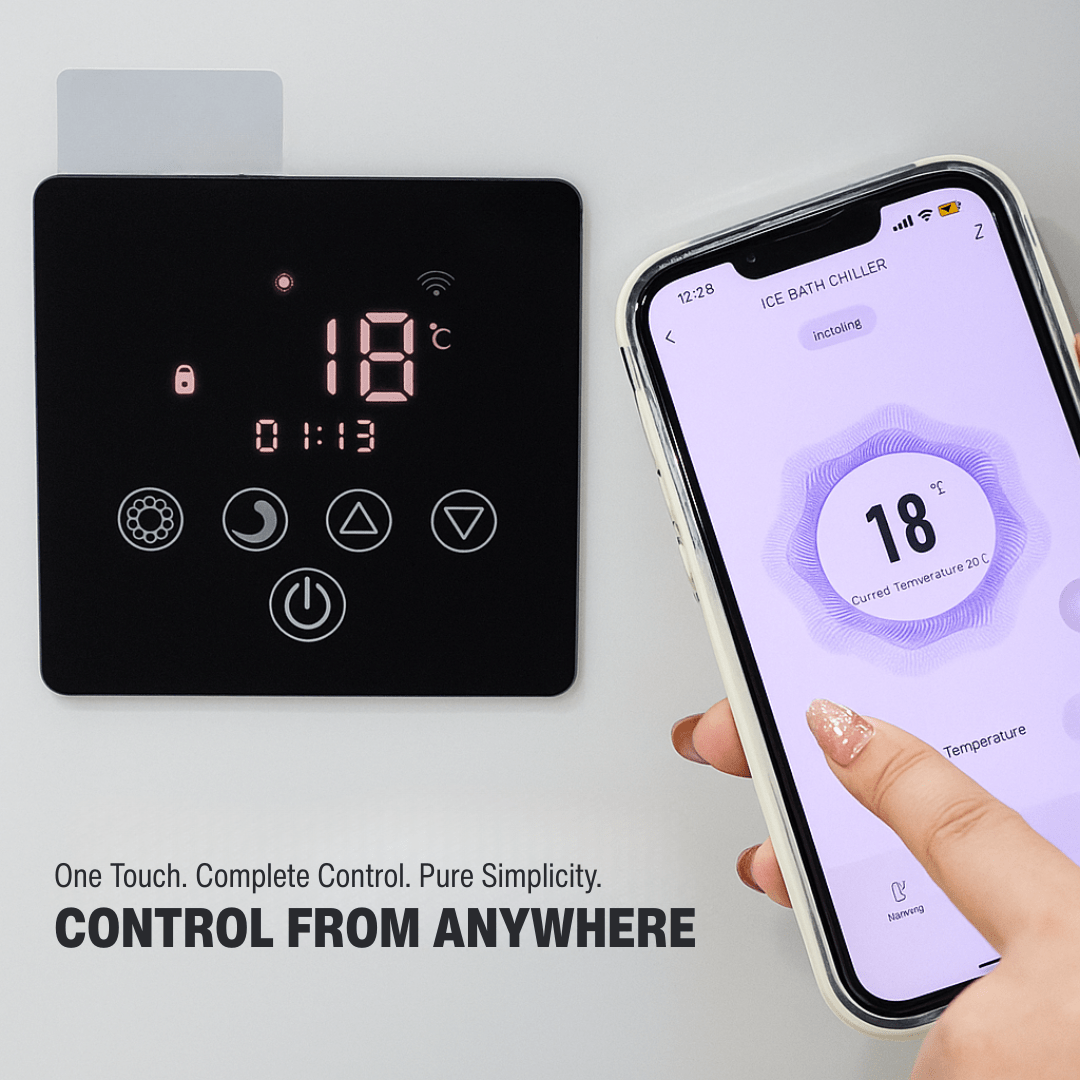
The easiest way to hit a consistent duration is to remove the variables around it. When the water is already at your set temperature, all you manage is the clock. The Modouge All-In-One Cold Plunge holds 37°F on its own and lets you pre-set the temperature from your phone, so every session starts from the same baseline. Same cold, same time, real results you can track.
The bottom line
Cold plunge 2 to 5 minutes per session, build toward 10 to 15 minutes only if recovery is the goal, and aim for around 11 minutes a week total. Start short, respect the first 90 seconds, and get out when your body says so.
A tub that holds a steady temperature makes consistent timing simple. The All-In-One Cold Plunge and the portable chiller both keep the water at your set point. New to cold therapy? Start with why a cold tub is good for you.
FAQ
How long should a beginner cold plunge?
Start with 30 seconds to 2 minutes at 50°F to 59°F. Focus on settling your breathing in the first minute, then build your time gradually over a few weeks as your tolerance grows.
Is 2 minutes long enough for a cold plunge?
Yes. The mood and focus benefits start within the first minute, so a clean two-minute plunge delivers most of the mental payoff. Longer sessions mainly add to the muscle-recovery effect.
How long should you cold plunge for recovery?
Research points to 10 to 15 minutes at colder temperatures for the strongest reduction in muscle-damage markers. Build up to that rather than starting there, and don't exceed about 15 minutes.
Can you cold plunge too long?
Yes. Past about 15 minutes the benefits flatten and the risk of overcooling and cardiovascular strain rises. Long, cold sessions are where cold therapy turns from helpful to hazardous.
How many times a week should you cold plunge?
Three to five times a week works well for most people, landing near the common target of about 11 total minutes of cold exposure weekly. Consistency matters more than the length of any single session.
0 comments