

The benefits of a cold plunge come from one trigger: brief cold immersion sets off vasoconstriction, a flood of norepinephrine and dopamine, and a core-temperature drop afterward. From those, you get faster muscle recovery, hours of sharper focus and better mood, deeper sleep, a small metabolic bump, and better stress resilience. The dose is 50°F to 59°F for 2 to 5 minutes. Here's each benefit, and the mechanism behind it.
Most articles on cold plunge benefits wave at a list and move on. That's not useful, because a benefit without a mechanism is just a claim. The reason cold therapy has held up is that the effects trace back to specific, repeatable responses in your body, and the research keeps confirming them.
So here are the benefits of a cold plunge, each one paired with what's actually happening when you're in the water.
What are the benefits of a cold plunge?
A cold plunge speeds muscle recovery, lifts mood and focus for hours, improves sleep, gives a small metabolic boost, and builds stress resilience. Every one of those traces back to how your body reacts to cold water, not to anything mystical about the cold itself.
The master switch is vasoconstriction, the narrowing of your blood vessels in cold water. Cleveland Clinic points to that response as the driver behind reduced inflammation and faster recovery. The rest of the benefits stack on top of it. Let's go one by one.
Faster muscle recovery
A cold plunge reduces post-workout soreness and speeds recovery. When you immerse, blood flow to tired muscle drops, which limits swelling and the metabolic waste buildup that drives next-day soreness. As you rewarm, fresh oxygen-rich blood flushes back in.
Mayo Clinic Press notes that cold water immersion lowers exercise-induced muscle damage, and a 2025 network meta-analysis in Frontiers in Physiology found immersion at 5°C to 15°C measurably reduced creatine kinase, a blood marker of muscle damage. This is the benefit athletes feel first.
Better mood and sharper focus
Cold water delivers a clean, lasting lift in mood and focus. The cold triggers a large release of norepinephrine and dopamine, the neurotransmitters behind alertness and that feel-good state.
The numbers are striking. A 2000 study in the European Journal of Applied Physiology found immersion in 14°C water raised dopamine by 250% and norepinephrine by 530%, with the dopamine lift lasting two to three hours. That's a bigger acute norepinephrine response than most non-drug interventions produce, and it's why a morning plunge can outdo a second coffee.
Deeper sleep
A cold plunge can improve sleep by shifting your nervous system toward rest. After you get out, your core temperature drops below baseline, and that cooling nudges you into parasympathetic mode, the state your body needs for deep sleep.
Kaiser Permanente notes evidence that cold water immersion can improve sleep quality and reduce restless tossing. Timing helps: plunge earlier in the day rather than right before bed, since the immediate alertness spike can keep you wired if you go too late.
A small metabolic boost
Cold exposure nudges your metabolism by activating brown fat. Unlike regular fat, brown adipose tissue burns energy to generate heat, a process called thermogenesis, and cold is what switches it on.
Keep expectations realistic. The calorie burn is modest and won't replace diet or training, so treat any metabolic effect as a small bonus rather than a weight-loss strategy. The recovery and mood benefits are the real reasons to plunge.
Stronger stress resilience
Regular cold plunging trains your stress response. Each session is a controlled dose of discomfort, and learning to stay calm and control your breathing through the first cold minute carries over into how you handle stress outside the tub.
This is the benefit people underrate. The physical effects are measurable, but the mental practice of choosing to enter the cold and breathe through it is part of why the habit sticks, and why so many people describe feeling more level after a few weeks.
How to get the benefits safely
The dose is simple: 50°F to 59°F for 2 to 5 minutes, three to five times a week. Start at the warmer end, keep it short, and build from there. Respect the first 60 to 90 seconds, when the cold shock response makes breathing hard, and never submerge your head.
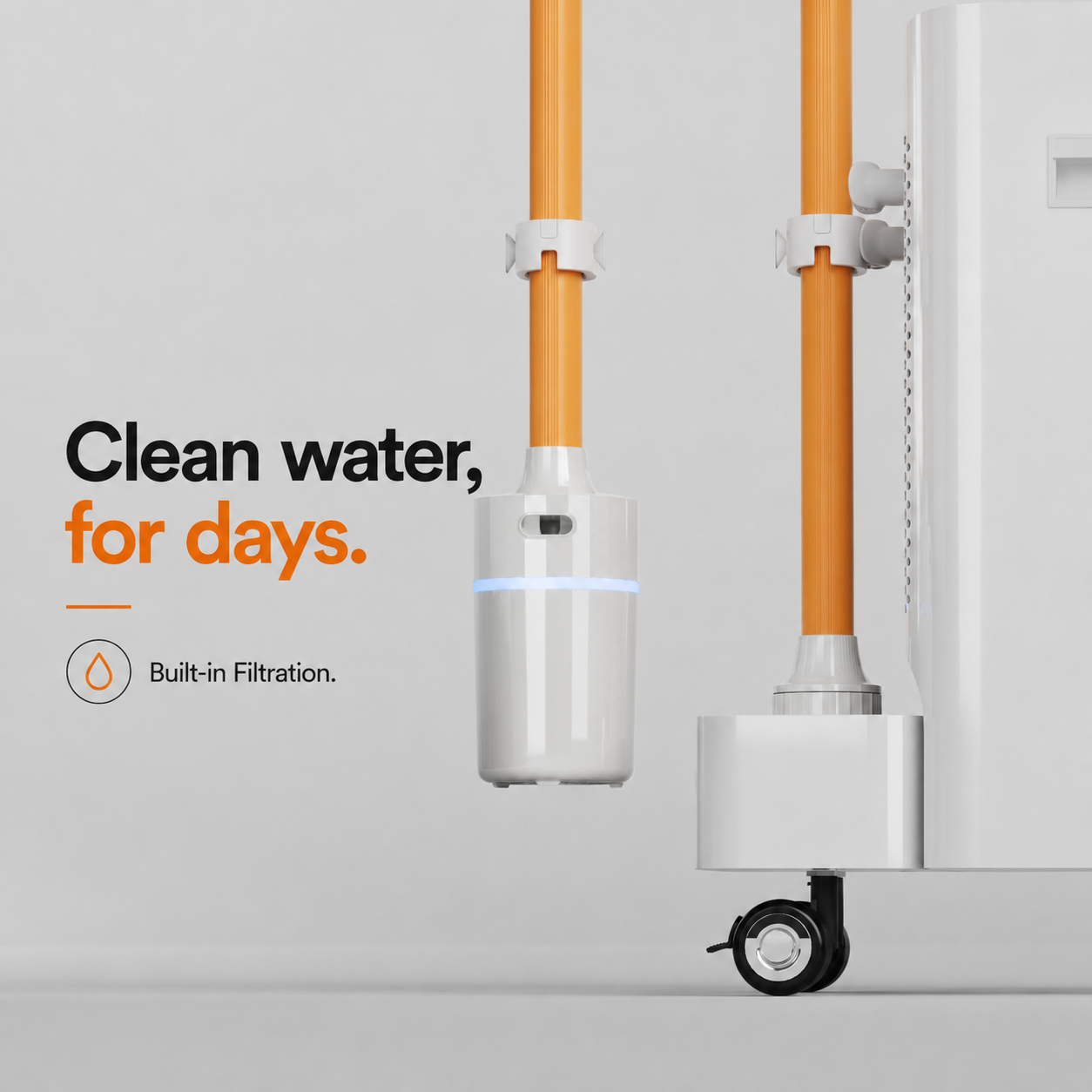
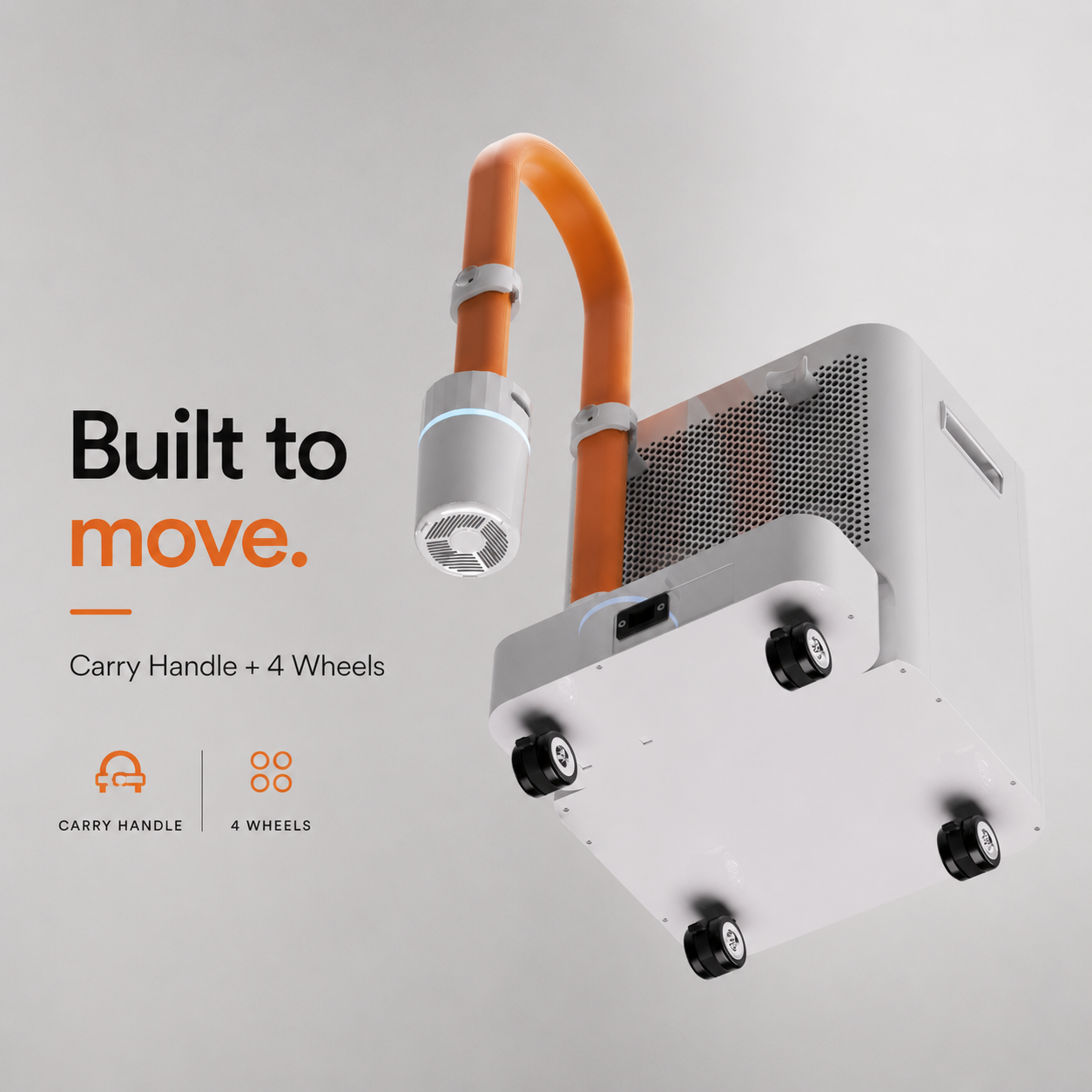
The American Heart Association cautions that cold immersion strains the heart, so anyone with heart disease, high blood pressure, or circulation issues should check with a doctor first. The benefits only show up with consistency, which is far easier when the water is already cold and waiting. The Modouge All-In-One Cold Plunge holds 37°F on its own with no ice, so the only thing you manage is showing up.
The bottom line
The benefits of a cold plunge, faster recovery, better mood, deeper sleep, a metabolic nudge, and stress resilience, all come from a few minutes in cold water and the responses it triggers. Keep it to 50°F to 59°F, stay consistent, and the effects compound.
Want them without the daily ice run? The All-In-One Cold Plunge and the portable chiller hold the temperature for you. Wondering how long to stay in? Here's how long you should cold plunge.
FAQ
What are the main benefits of a cold plunge?
Faster muscle recovery, sharper mood and focus, better sleep, a small metabolic boost, and stronger stress resilience. Each comes from how your body responds to cold, mainly vasoconstriction and a surge of norepinephrine and dopamine.
How quickly do you feel the benefits?
The mood and focus lift starts within the first minute and can last hours. Recovery benefits show up the next day as reduced soreness. The stress-resilience and sleep effects build over weeks of consistent use.
Is a cold plunge good for weight loss?
Only modestly. Cold activates calorie-burning brown fat, but the effect is small. Treat a cold plunge as a recovery and mood tool, with any metabolic bump as a minor bonus rather than a weight-loss plan.
How cold and how long for the benefits?
Aim for 50°F to 59°F for 2 to 5 minutes, three to five times a week. Start warmer and shorter, then build. Past about 15 minutes the benefits flatten and risk rises.
Are there risks to cold plunging?
Yes. The first 60 to 90 seconds carry the cold shock response, and cold immersion strains the heart. Never submerge your head, avoid plunging alone while learning, and check with a doctor first if you have a heart condition or high blood pressure.
0 comments