

A cold plunge bath is short, full-body immersion in cold water, usually 50°F to 59°F for 2 to 5 minutes. Done right, it eases muscle soreness, lifts your mood, and sharpens focus for hours. The method matters: get in slowly, keep your head above water, breathe through the first minute. Here's how to take a cold plunge bath properly, plus the easiest way to make it a daily habit.
A cold plunge bath is one of the oldest recovery tools there is, and the science finally caught up to explain why it works. Sit in cold water for a few minutes and your body runs through a series of responses that leave you sore-proofed, clear-headed, and oddly calm. The trick is doing it in a way that's safe and repeatable, not a one-time shock you never come back to.
Whether you're using a bathtub, an ice bath, or a dedicated tub, the fundamentals are the same. Here's how to take a cold plunge bath the right way.
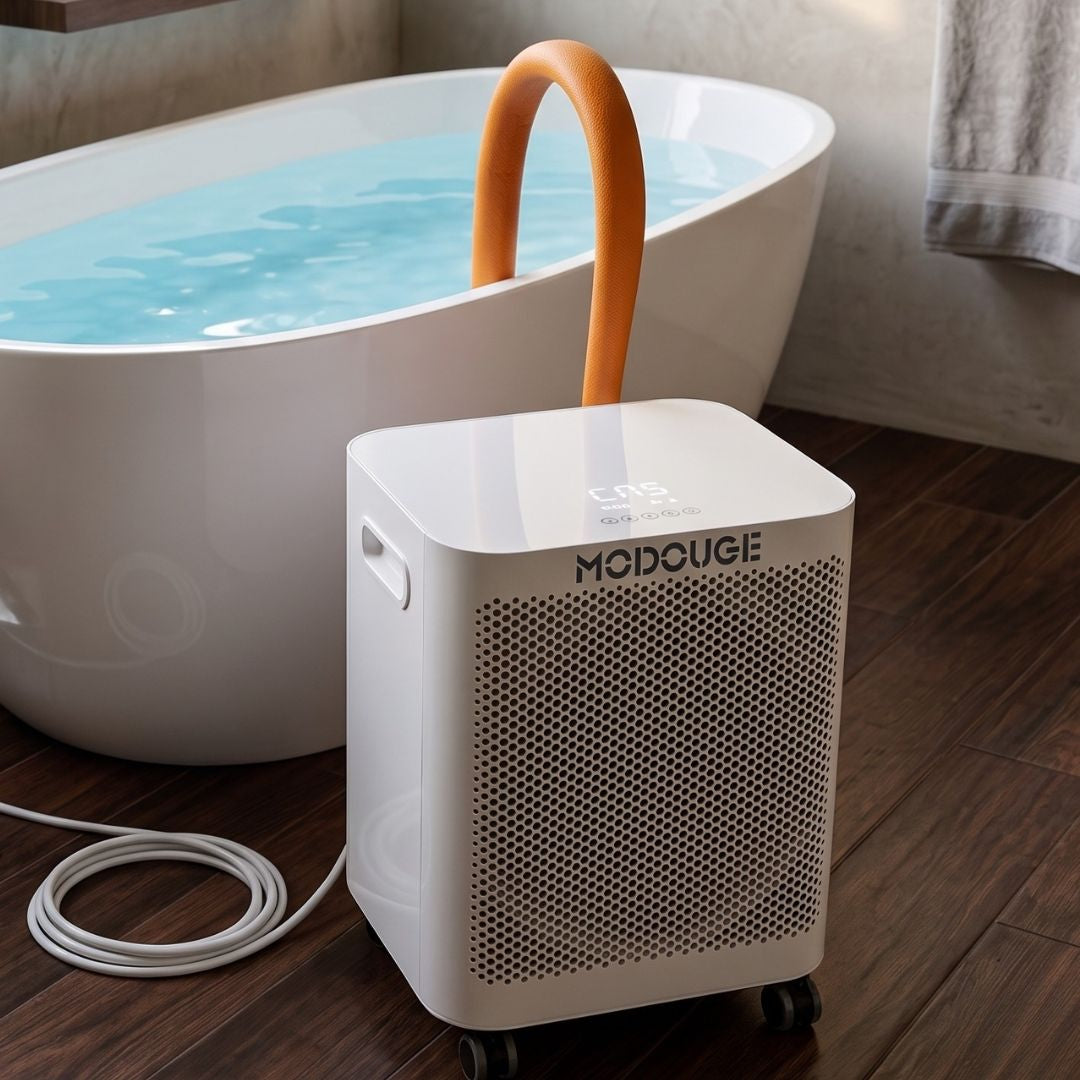
What is a cold plunge bath?
A cold plunge bath is brief immersion of your body in cold water, typically held between 50°F and 59°F, for a session of 2 to 5 minutes. It's the same practice as an ice bath or cold water immersion, just named for the bath you take rather than the gear you use.
The cold is the active ingredient. When you immerse, your blood vessels constrict, which Cleveland Clinic links to reduced inflammation and faster muscle recovery. It doesn't matter whether the water is in a fancy tub or a chilled bathtub. The response is the same.
How to take a cold plunge bath, step by step
Get the water to temperature first, then ease in. Rushing the entry is what turns a good plunge into a scary one.
The basic sequence: chill the water to 50°F to 59°F and check it with a thermometer. Get in slowly, lowering your body rather than jumping. Keep your hands and head out of the water for the first minute while your breathing settles. Focus on long, slow exhales. Stay 2 to 5 minutes, then get out and warm up naturally by moving around rather than jumping straight into a hot shower. That last part lets your body do its own rewarming, which is part of the benefit.
How cold and how long should it be?
Start at 50°F to 59°F for 2 to 5 minutes, three to five times a week. That's enough to trigger the recovery and mood benefits without pushing into needless risk.
Cleveland Clinic recommends that beginner range and 39°F to 50°F once you're adapted. For recovery specifically, a 2025 network meta-analysis in Frontiers in Physiology found the strongest muscle-damage reduction from 10 to 15 minute immersions at colder temperatures, but that's a level to build toward. Past about 15 minutes, the benefit flattens and the risk climbs. Colder and longer is something you earn, not where you start.
Is a cold plunge bath safe?
For most healthy people, yes, with respect for the first 90 seconds. Cold water triggers the cold shock response, an involuntary gasp and a spike in heart rate and breathing that you ride out with slow exhales. That's why you never submerge your head and never plunge alone while you're learning.
Cold immersion also raises blood pressure. The American Heart Association cautions that it strains the heart, so anyone with heart disease, high blood pressure, or circulation issues should talk to a doctor first. A non-slip mat and a clear path out of the bath handle the other common risk, which is simply slipping.
The easiest way to take a cold plunge bath daily
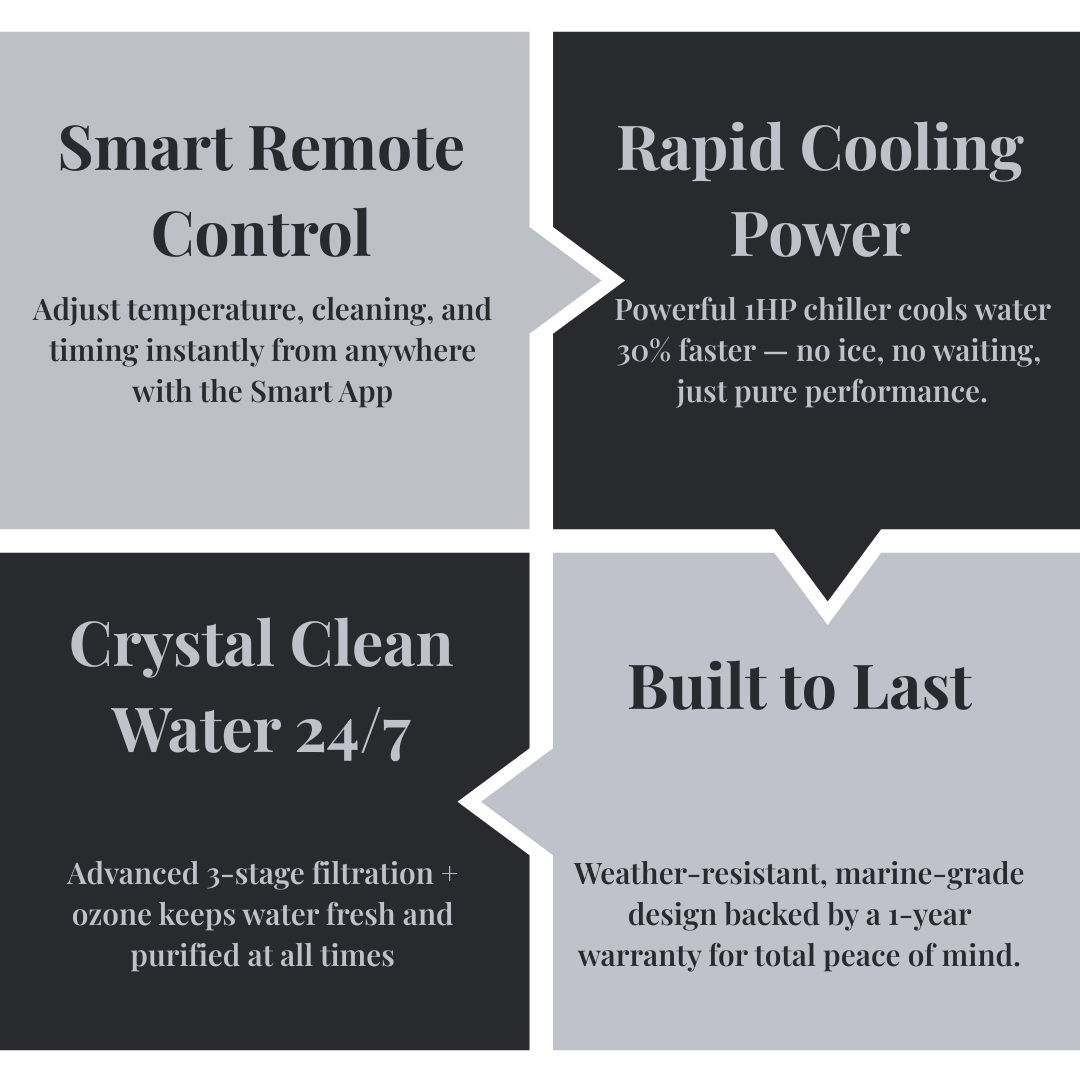
The hard part of a cold plunge bath isn't the cold. It's getting the water cold and keeping it there day after day. Ice melts, drifts warm, and turns a two-minute habit into a 20-minute setup. A tub that holds its own temperature removes that entirely.
The Modouge All-In-One Cold Plunge chills water to 37°F and holds it, with ozone filtration that keeps the same water clean for weeks and app control so it's ready before you walk over. If you'd rather use a tub you already own, the portable chiller does the same job for any tub from 10 to 130 gallons. Either way, the bath is cold and waiting, which is what turns the practice into a routine.
The bottom line
A cold plunge bath is simple: 50°F to 59°F, two to five minutes, head up, slow breathing, warm up naturally after. Do it a few times a week and the recovery and focus benefits show up fast.
Want it cold and ready every day without the ice? The All-In-One Cold Plunge and the portable chiller both handle the temperature for you. Starting with what you have? Here's how to cold plunge in your bathtub.
FAQ
What is a cold plunge bath?
A cold plunge bath is short, full-body immersion in cold water, usually 50°F to 59°F for 2 to 5 minutes. It's the same as an ice bath or cold water immersion and delivers benefits like reduced soreness, better mood, and sharper focus.
How cold should a cold plunge bath be?
Start at 50°F to 59°F, the beginner range Cleveland Clinic recommends. Once you're adapted, 39°F to 50°F works. There's little benefit to going colder than that, and the risk rises.
How long should you stay in a cold plunge bath?
Two to five minutes suits most people. The mood and focus response starts within the first minute, and benefits level off past about 15 minutes while risk increases.
Should you shower after a cold plunge bath?
Letting your body rewarm naturally by moving around is part of the benefit, so many people skip the immediate hot shower. If you're very cold or uncomfortable, a warm shower is fine. Just don't rely on it to rescue you from going too cold for too long.
Can you take a cold plunge bath every day?
Most healthy people can plunge daily at a sensible temperature and duration. If you have a heart condition or high blood pressure, check with your doctor first, and keep sessions under about 15 minutes.
0 comments