

Yes, you can cold plunge in your bathtub. Fill it with the coldest tap water, add 10 to 20 lbs of ice, and you will reach the 50 to 59°F range in a few minutes. It works for testing cold therapy. It is also a chore: ice runs, draining after every session, and water that will not hold its temperature. Here is how to do it right, plus the easier path.
Can you cold plunge in your bathtub? Yes. The tub you already own plus a few bags of ice gets you into cold therapy for the price of the ice. That is the appeal, and it is real. The catch is that you will spend more time hauling ice and draining water than you will actually plunging. A bathtub is a fine way to find out whether cold immersion is for you. It is a frustrating way to keep doing it three to five times a week.
This guide covers the practical side: how much ice you need, what temperature to aim for, how long to stay in, and how to do it without scaring your heart. Then the honest part, where the bathtub method falls apart, and the simplest fix that keeps your existing tub.
Can You Cold Plunge in Your Bathtub?
Yes, a standard bathtub works as a cold plunge. Cold tap water usually runs between 50°F and 60°F, which is already in the beginner cold therapy zone. Add ice and you can push it lower. For a first plunge, that is genuinely all you need.
This is the cheapest entry point to cold water immersion, and most guides, including Plunge's own DIY breakdown, recommend it as a starting point. You fill the tub, you get in, you find out how your body responds to cold. No equipment, no commitment. The bathtub method is best understood as a test drive. It answers the question "do I even like this" before you spend money on anything permanent. What it does not do is make cold plunging easy to repeat, which is the part that actually matters once you are hooked.
How Much Ice Do You Need?
Plan on 10 to 20 lbs of ice for a standard bathtub to reach the 50 to 59°F cold plunge zone. A simple rule is the 1:3 ratio: one gallon of ice, roughly 7.7 lbs, for every three gallons of water. Your starting water temperature and room temperature change the number, so treat it as a baseline and adjust.
More water and warmer rooms need more ice. The Pod Company's ice guide and Carbon Wellness break it down by tub size:
| Tub size | Ice to reach 50-59°F | Bags (7-10 lb) |
|---|---|---|
| Small (26-40 gal) | 10-15 lbs | 1-2 bags |
| Standard (40-60 gal) | 15-20 lbs | 2-3 bags |
| Large (60-80 gal) | 20-30 lbs | 2-4 bags |
Here is the part nobody warns you about. That ice melts during your session, and the tub warms back up the moment you step out. So you do it all again tomorrow. At a few dollars a bag, daily plunging on bagged ice runs $60 to $150 a month, plus the trips to buy it.
What Temperature and How Long Should You Plunge?
Aim for 50 to 59°F if you are new, and stay 3 to 5 minutes. The Cleveland Clinic recommends 50 to 59°F for beginners and 39 to 50°F for experienced plungers, starting at three minutes and going no longer than five. Colder is not better. It is just colder.
The benefits show up fast, which is why short sessions work. Cold water triggers vasoconstriction, the narrowing of blood vessels that slows blood flow and reduces swelling and soreness. Both the Cleveland Clinic and the Mayo Clinic Health System point to this as the reason cold immersion helps with muscle recovery after training. You also get a sharp release of norepinephrine, a hormone that drives focus and alertness, which is why people describe the post-plunge head-clearing effect. Research collected by the NIH ties that norepinephrine spike to the first minutes of immersion. You do not need 15 minutes. You need a few good ones.
Is It Safe to Cold Plunge in a Bathtub?
For most healthy adults, yes, with a few rules. The real risk is the cold shock response in the first 30 to 90 seconds: an involuntary gasp, a fast heartbeat, and the urge to hyperventilate. That reflex is what makes cold water dangerous if you panic or go in over your head. Control your breathing, lower in slowly, and keep your head above water.
Ease in rather than jumping. Start with cooler showers or shorter dips and let your body adapt over a week or two. Never plunge alone if you are pushing into colder water or longer times, and get out if you start shivering hard or lose feeling in your hands and feet. The Cleveland Clinic notes that very cold, very long sessions raise the risk of hypothermia and, in extreme cases, skin damage.
Cold plunging is not for everyone. If you have a heart condition, high blood pressure, are pregnant, or have a circulatory disorder, talk to your doctor first. This is general information, not medical advice. If you have a medical concern, your doctor knows your situation and we do not.
The Problem With the Bathtub Method
The bathtub works once. The trouble starts when you want to do it every day. You cannot leave an ice bath sitting in the tub you also shower in, so you drain it after every session and refill from scratch the next time. That is a fresh batch of ice and a fresh tub of water, daily.
Then there is the tub itself. A bathtub is shallow, so full-body immersion is awkward, and you end up half in the water with your knees in the air. It has no insulation, so the temperature climbs the entire time you sit there, which means the last minute is meaningfully warmer than the first. There is no filtration, so the water is single-use. As ColdTub points out, a bathtub gives you no real temperature control and turns every plunge into a setup-and-teardown project. It is great for testing the waters. It is a bad long-term system, and most people quietly stop within a few weeks.
Turn the Tub You Already Have Into a Real Cold Plunge
There is a middle path between bagged ice and a $10,000 dedicated tub: a portable chiller that cools the tub you already own. The Modouge Nomad Portable Cold Plunge Chiller drops your water to 37°F and holds it there, with no ice and no plumbing. You hang the intake hose over the side, plug into a standard 110V outlet, set your temperature, and the 1HP, 3.5kW system does the rest.
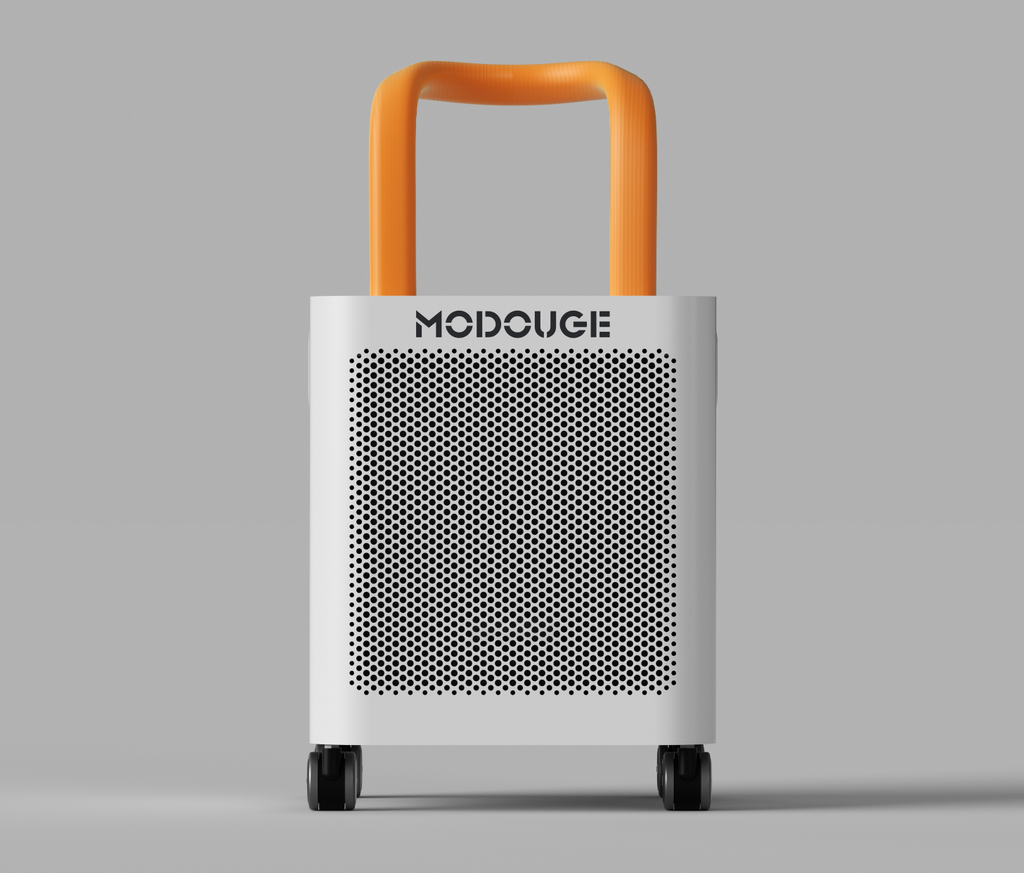
It fixes the bathtub method point by point. No more ice runs, because it cools the water directly. No more draining after every plunge, because built-in ozone filtration keeps the same water clean for about a month. No more temperature creep, because it holds your set temperature through the whole session instead of warming up. It works with almost any vessel from 10 to 130 gallons, so your existing tub, an inflatable plunge, a barrel, or a stock tank all qualify. At about the size of a carry-on with a handle and four wheels, it rolls into a closet when you are done.
At $2,490 it sits well below a built-in plunge tub, and it is ETL, UL, and CE certified with a 1-year warranty. If you want the all-in-one route instead, with the tub and chiller in one unit, the Modouge All-In-One Cold Plunge covers that. Either way you skip the daily ice.
So, Should You Plunge in Your Bathtub?
Start in the bathtub if you are curious. It costs almost nothing and tells you fast whether cold therapy is something you will stick with. Just know the ice and the daily draining are why most people quit. Once you know you are in it for the long run, a chiller turns the same tub into a 37°F plunge you can use every morning without a single bag of ice. See the portable Cold Plunge Chiller or the full Modouge Cold Plunge lineup to skip the chore and keep the habit.
Shop the Portable Cold Plunge Chiller See All Cold Plunges
Frequently Asked Questions
Can you use a regular bathtub as a cold plunge?
Yes. A standard bathtub filled with cold tap water, plus ice to drop the temperature, works as a basic cold plunge. It is the cheapest way to start. The downsides are draining and refilling after every session, no insulation to hold the cold, and no filtration, so it is better for testing than for a daily habit.
How much ice do you need for a bathtub ice bath?
About 10 to 20 lbs for a standard tub to reach the 50 to 59°F range. A simple rule is one gallon of ice, roughly 7.7 lbs, for every three gallons of water. Warmer rooms and larger tubs need more. Daily bagged ice adds up to roughly $60 to $150 a month.
How cold should the water be?
The Cleveland Clinic recommends 50 to 59°F for beginners and 39 to 50°F once you are experienced. Colder is not more beneficial, it is just harder to tolerate and raises the risk of cold shock and hypothermia. Most people get the recovery and focus benefits in the 50s.
How long should you stay in?
Start with three minutes and cap it at five. Beginners can begin with even shorter dips of 30 to 90 seconds while the body adapts. The strongest effects, including the norepinephrine spike, happen in the first couple of minutes, so longer is not better.
Can you cold plunge in a bathtub without ice?
Sometimes. In winter, cold tap water can reach the low 50s on its own, which is enough for a beginner session. In warmer months the tap runs too warm to plunge without ice. A portable chiller solves this by cooling the water to 37°F and holding it, so you get a consistent plunge year round without buying ice.
This article is for general information and is not medical advice. Cold water immersion carries risks. Talk to a healthcare provider before starting, especially if you have a heart condition, high blood pressure, are pregnant, or have a circulatory disorder.
0 comments