

Cold-Water Immersion or briefly immersing the body in cold water, has become a popular part of fitness and recovery routines. It is especially common among people who do intense workouts, run regularly or take part in sports training. Many of them use Cold Plunge after exercise as part of their recovery routine. But there is an important point worth keeping in mind. Just because something has become popular does not necessarily mean that it has been scientifically proven to work. That is why, in this article, we will look at the research on Cold-Water Immersion and try to understand what science actually says about its benefits.
How Does Cold Plunge Affect the Body?
When the body is suddenly exposed to very cold water, it has to respond to that sudden change. One of the immediate responses is the constriction of blood vessels as the body tries to maintain its core temperature. At the same time, cold exposure stimulates the nervous system and triggers several short-term physiological changes.
The interesting question is what these changes actually mean for recovery after exercise. If someone takes a Cold Plunge after a workout, can these changes make a difference to muscle soreness, fatigue or physical performance? This is exactly what researchers have been trying to understand through studies on Cold-Water Immersion.
Researchers have not looked at recovery from just one perspective. Instead, they have examined several different outcomes, including muscle soreness, strength, fatigue and physical performance. They have also looked at how people themselves feel after using Cold-Water Immersion, since the perception of recovery can be quite different from what objective measurements show.
Among all these areas, muscle soreness is one of the outcomes that has repeatedly appeared in research. This makes sense when you think about what happens after a hard workout. If you have ever returned to intense exercise after a long break, you probably know how uncomfortable the muscle soreness can become over the next few hours or even days. So one of the key questions for researchers has been whether Cold-Water Immersion can actually make that soreness easier to deal with.
Can Cold Plunge Help Reduce Muscle Soreness After Exercise?
A hard workout does not always feel difficult while you are doing it. Sometimes the real discomfort shows up later. You may wake up the next morning with stiff and sore muscles, and this delayed muscle pain is known as Delayed Onset Muscle Soreness or DOMS. Because DOMS is something people directly experience during the recovery period, it has become an important outcome in exercise recovery research.
This is also why researchers studying Cold Plunge have paid considerable attention to DOMS. They wanted to know whether spending some time in cold water after exercise could change the body's soreness response and whether people would experience less muscle soreness during the hours or days that followed.
To explore this question, researchers associated with the University of South Australia, Macquarie University and Victoria University conducted a systematic review and meta-analysis that included 28 studies. The research team consisted of Emma Moore, Joel T. Fuller, Clint R. Bellenger, Siena Saunders, Shona L. Halson, James R. Broatch and Jonathan D. Buckley. The paper was published online on December 17, 2022 and was later included in the 2023 issue of Sports Medicine.
The researchers brought the findings from all 28 studies together to understand how Cold-Water Immersion affects muscle soreness and other aspects of recovery after strenuous exercise. When the results were analyzed collectively, Cold-Water Immersion produced better results for muscle soreness compared with other recovery methods.
So, if the question is simply, “Can Cold Plunge help reduce muscle soreness after a workout?” the available research points fairly clearly toward yes. But there is an important distinction here that should not be overlooked.
Feeling less sore does not necessarily mean that the muscles have fully recovered or that they have recovered faster. These are related but different things. And that naturally leads to the next question: if Cold Plunge can make post-workout soreness feel better, does it also help the muscles recover more effectively?
Does Less Muscle Soreness Mean Better Recovery?
At first, these two things may sound like the same outcome. From a scientific point of view, however, there is an important difference. Feeling less pain after exercise can certainly be part of recovery, but it does not tell us by itself whether strength, endurance or muscle function have also returned to normal.
That is why researchers look beyond muscle soreness when they study recovery. They may also measure how quickly strength returns, whether jump or sprint performance changes, how recovered a person feels and what happens to certain biochemical markers in the body. Looking at these different measures gives researchers a much broader picture of what recovery actually looks like.
With this broader approach in mind, researchers associated with the Singapore Sport Institute, National Youth Sports Institute and National University of Singapore conducted a systematic review and meta-analysis covering 68 studies. The research team included Hui Cheng Choo, Marcus Lee, Vincent Yeo, Wayne Poon and Mohammed Ihsan. The study was published online on March 2, 2023.
When the findings from these 68 studies were analyzed together, the researchers found improvements in muscle soreness and perceived recovery. In some situations, they also found better results in the recovery of strength and jump performance.
However, the findings also highlight something important. Cold Plunge did not improve every measure of performance immediately after use. In fact, some short-term measurements showed a reduction in sprint and jump performance. When more time was allowed for recovery, however, some of these outcomes appeared to improve.
This tells us that the effect of Cold Plunge cannot be understood simply by asking how long someone stayed in cold water. The type of exercise performed and the amount of time between the Cold Plunge and the recovery measurement can also influence the results.
And this makes the recovery question even more interesting. If muscle soreness and performance do not tell the whole story, perhaps the changes happening inside the body can give us a better idea of how recovery is progressing.
Cold Plunge FAQs
1. What are the proven benefits of a Cold Plunge?
Research suggests that Cold-Water Immersion can help reduce post-exercise muscle soreness and may improve how recovered a person feels after strenuous exercise. Some studies have also found improvements in certain recovery markers, but evidence for strength, immunity, weight loss and broader health benefits is less consistent.
2. Does Cold Plunge actually help muscle recovery?
Yes, Cold Plunge can help with some aspects of exercise recovery, particularly muscle soreness and perceived recovery. However, reducing soreness does not necessarily mean that the muscles have completely recovered or that every aspect of physical performance has returned to normal.
3. Does Cold Plunge reduce muscle soreness?
Yes. Systematic reviews and meta-analyses have found evidence that Cold-Water Immersion can reduce muscle soreness after strenuous exercise. The effect can vary depending on the exercise, water temperature, immersion protocol and when soreness is measured.
4. Does Cold Plunge reduce inflammation?
Not necessarily. Although cold exposure can cause several physiological changes, research has not consistently shown significant reductions in inflammatory markers such as CRP and IL-6. Therefore, Cold Plunge should not be described as a proven anti-inflammatory treatment.
5. Does Cold Plunge help with DOMS?
Yes, research suggests that Cold-Water Immersion can reduce Delayed Onset Muscle Soreness (DOMS) after strenuous exercise. However, less soreness does not automatically mean faster recovery of muscle strength or complete repair of exercise-related muscle damage.
6. Does Cold Plunge help you recover faster after a workout?
It may help with certain aspects of recovery, especially soreness and perceived recovery. However, studies have produced mixed results for strength and physical performance, so Cold Plunge should be viewed as one recovery tool rather than a guaranteed way to recover faster.
7. Can Cold Plunge improve strength recovery?
The evidence is mixed. Some research has reported better strength recovery under certain conditions, while more recent evidence has not found a consistent overall benefit across strength measurements. The effect appears to depend on factors such as the recovery period and the type of exercise.
8. Does Cold Plunge help with weight loss?
Cold Plunge is not a proven weight-loss method. Cold exposure can temporarily increase energy expenditure because the body works to maintain its core temperature, but this does not establish Cold Plunge as an effective way to achieve meaningful long-term fat loss.
9. Does Cold Plunge boost immunity?
There is not enough evidence to call Cold Plunge a proven immunity booster. Research has investigated immune and inflammatory responses to cold-water immersion, but the findings are still limited and do not establish Cold Plunge as a reliable method for improving immune function.
10. Does Cold Plunge help with stress and mental wellbeing?
Cold-Water Immersion may influence stress, alertness and how refreshed a person feels, and some research has reported promising findings in these areas. However, evidence is not strong enough to consider Cold Plunge a treatment for anxiety, depression or other mental-health conditions.
11. How long should you stay in a Cold Plunge?
There is no single duration that works for everyone. Cold-Plunge protocols used in research vary according to water temperature, immersion time and the purpose of the exposure. Beginners should avoid assuming that longer or colder exposure automatically provides greater benefits.
12. Is Cold Plunge safe for everyone?
No. Cold-water immersion can produce a sudden physiological response, including changes in breathing, heart rate and blood pressure. People with certain cardiovascular, blood-pressure or circulation-related conditions should speak with a healthcare professional before using Cold Plunge.
13. Is Cold Plunge better than an ice bath?
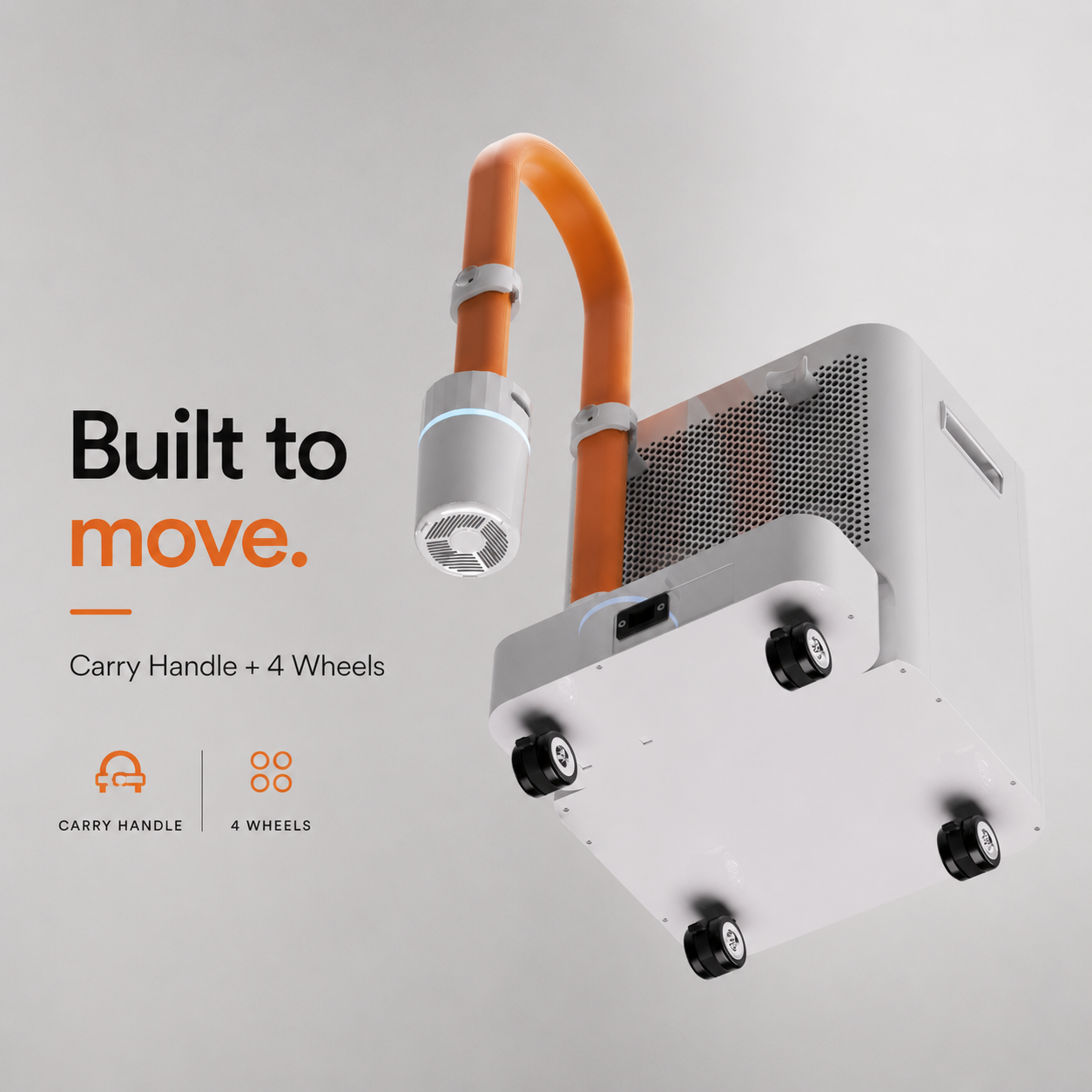
Cold Plunge and ice baths both use cold-water immersion, so the main difference is usually how the cold exposure is delivered and controlled. A Cold Plunge with a chiller can maintain a more consistent water temperature, while a traditional ice bath generally requires adding ice manually.
14. Should you take a Cold Plunge immediately after working out?
Not necessarily. Cold-Water Immersion is commonly used after exercise for recovery, but the ideal timing depends on the goal. If muscle growth and training adaptations are the priority, frequent immediate post-exercise cold exposure may not always be appropriate.
15. Can you use a Cold Plunge every day?
Daily Cold Plunge is not necessary for everyone. Frequency should depend on the person's training load, recovery needs, cold tolerance and overall routine. More frequent exposure does not automatically mean greater recovery benefits.
16. Is Cold Plunge a recovery tool or a medical treatment?
Cold Plunge is better understood as a recovery tool rather than a medical treatment. Research supports some exercise-recovery benefits, particularly reduced soreness, but it should not be used as a substitute for medical care or treatment of a health condition.
0 comments